



Men often experience love differently than it is commonly portrayed. Emotional attachment is shaped by psychology, experience, and internal processes rather than sudden intensity. Understanding how this connection forms helps explain male behavior, priorities, and readiness for deeper relationships.
How Men Fall in Love — a Realistic Overview
How men fall in love is often misunderstood because it is expected to be fast, emotional, and obvious. In reality, emotional attachment in men usually forms gradually. It is not a sudden emotional shift, but a process built through repeated interaction, growing trust, and a sense of emotional safety.
Initial attraction may create interest, but it rarely leads directly to love. For many men, emotional involvement begins only after a connection feels stable and predictable. Comfort, consistency, and the absence of pressure play a significant role at this stage. When communication feels easy and expectations are clear, emotional attachment develops more naturally.
Experience strongly influences this process. Past relationships shape how quickly a man opens up and how carefully he invests emotionally. Negative experiences often lead to slower emotional involvement, not because of a lack of interest, but due to the need to feel secure. Emotional closeness becomes possible once trust is established and emotional risks feel manageable.
Read also: Victoriyaclub.com Review: An Overview of Services and User Experience.Emotional safety is a key trigger. Men tend to attach emotionally when they feel accepted, respected, and not judged for vulnerability. This dynamic is more likely to develop in structured environments such as a genuine dating agency, where intentions are clearer and interactions are more consistent.
Understanding this gradual process helps set realistic expectations. Love, from a male perspective, is rarely instant. It is built step by step through trust, comfort, and emotional stability.
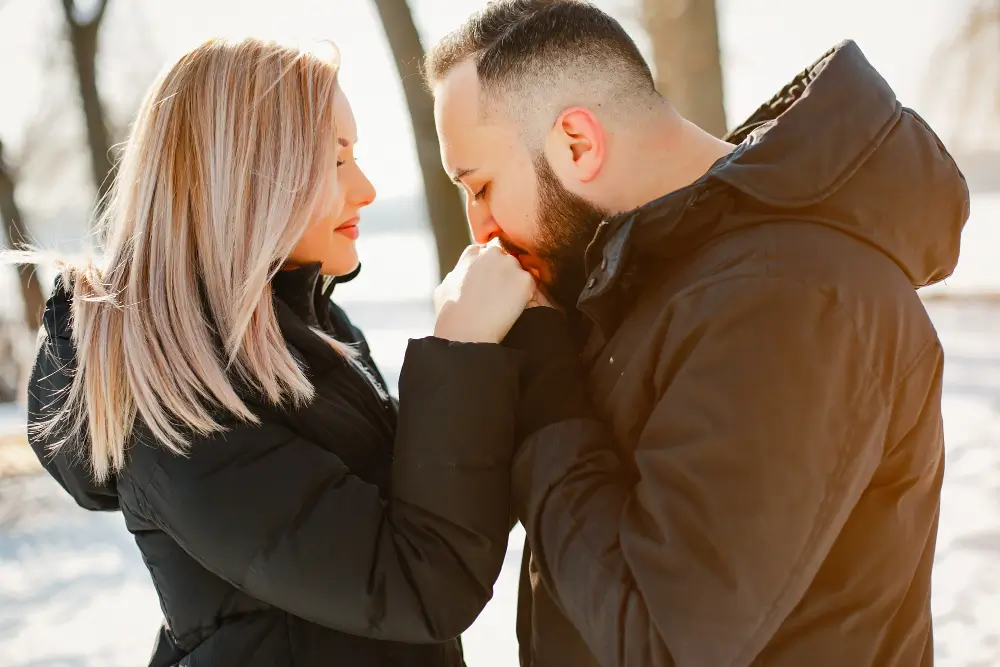
Male Emotional Attachment and Bonding Process
At the early stage, bonding begins with emotional recognition. A man starts associating a specific person with comfort, ease of communication, and emotional predictability. When interactions feel stable and emotionally safe, internal resistance lowers and openness increases.
As the connection progresses, several internal factors contribute to emotional bonding:
- emotional safety without pressure or judgment
- consistency in communication and behavior
- a sense of being accepted rather than evaluated
- space for vulnerability without forced disclosure
These elements allow emotional investment to grow naturally. Attention becomes more focused, concern for emotional well-being increases, and the desire for continuity appears. Notably, this stage often occurs before strong romantic feelings are consciously identified.
Emotional attachment deepens when vulnerability feels safe and emotional expression is met with understanding. Respect and emotional security reduce uncertainty, allowing closeness to become stabilizing rather than overwhelming.
This sequence explains why emotional connection frequently precedes intense feelings. Once the bond is formed, emotions gain clarity and depth. What may appear as emotional restraint is often a period of internal bonding that unfolds quietly over time.
Triggers of Male Love Explained
Triggers of male love are specific experiences and signals that shift a man’s perception from interest to emotional attachment. While attraction may start interaction, emotional attachment is triggered when a connection begins to fulfill deeper psychological needs rather than surface curiosity.
One key trigger is feeling respected. Respect signals acceptance of boundaries, choices, and individuality. When respect is present, emotional resistance lowers, making closeness feel safe rather than threatening.
Another trigger is recognition. Being noticed, valued, and appreciated creates a sense of personal significance. Recognition turns interaction into something specific and meaningful, rather than interchangeable or casual.
Emotional support functions as a stabilizing trigger. When emotions are met with understanding instead of correction or dismissal, trust strengthens. This allows vulnerability to feel acceptable, which is necessary for emotional attachment.
Shared experience acts as a reinforcing trigger. Experiences lived together — meaningful conversations, challenges, or emotionally charged moments — create shared emotional reference points. These moments anchor the connection beyond words.
In simplified form, the main triggers include:
- respect that preserves independence
- recognition that creates emotional value
- emotional support that builds trust
- shared experiences that form emotional memory
These triggers do not create love instantly. Instead, they activate emotional relevance. Once a connection feels personally meaningful, emotional attachment follows naturally.

Psychology of Men in Love
Psychology of men in love is reflected less in words and more in internal shifts that influence behavior, perception, and priorities. When emotional attachment deepens, changes often appear subtly, through focus, consistency, and altered decision-making rather than overt emotional expression.
One of the first psychological changes is selective attention. A man in love begins to prioritize one specific connection over alternatives. This is expressed through increased mental presence, stronger emotional responsiveness, and a growing sense of personal relevance attached to the partner.
Read also: Why is Dating So Hard? Common Dating Difficulties Explained.
Perception of the partner also changes. Emotional attachment increases sensitivity to her emotional state, reactions, and needs. Rather than viewing the relationship as optional or situational, it becomes integrated into daily thinking and planning. This shift reflects internal emotonal investment rather than conscious intention.
Priorities gradually realign. Personal time, routines, and future considerations start to include the relationship. This does not necessarily mean loss of independence, but rather a psychological adjustment where the connection gains stable importance.
Several internal mechanisms influence this stage:
- emotional bonding linked to consistency and trust
- reduced emotional defensiveness
- increased motivation to maintain stability
- stronger emotional association with comfort and safety
These mechanisms deepen feelings by reinforcing emotional relevance. Love, from a psychological perspective, is not only an emotion but a cognitive and emotional state where connection becomes part of personal identity. Understanding these shifts helps explain why men in love may act differently even without openly expressing strong emotions.
Interesting to read: Does he truly love you or just enjoy attention? Key signs explained
Male Relationship Mindset in Emotional Bonding
Male relationship mindset plays a decisive role in whether emotional connection develops into a stable bond. Emotional attachment alone is not enough for many men to consider a relationship serious. The internal framework through which a man evaluates connection determines how much emotional energy he is willing to invest.
Stability is a core element of this mindset. Men tend to bond more deeply when a connection feels consistent and predictable. Stability reduces uncertainty and allows emotional focus to shift from self-protection to engagement. When interaction follows clear patterns and expectations are not constantly changing, emotional attachment becomes easier to sustain.
Trust is closely tied to this process. Trust is not limited to honesty, but includes reliability, emotional consistency, and the absence of manipulation. When trust is present, emotional investment feels safer, which increases willingness to commit emotionally rather than remain cautious.
A sense of significance also shapes the male mindset. Feeling emotionally relevant — valued, needed, and appreciated — strengthens attachment. This sense of importance does not come from validation alone, but from meaningful involvement in the relationship dynamic.
Together, these elements influence readiness for serious connection:
- stability that reduces emotional uncertainty
- trust that supports openness
- significance that creates emotional value
When mindset aligns with emotional connection, bonding becomes sustainable rather than situational.
Signs Men Are in Love
Signs men are in love are usually expressed through consistent behavior rather than explicit emotional statements. When emotional attachment deepens, changes appear in priorities, attention, and involvement. These signals reflect internal commitment rather than momentary attraction.
Consistent presence and reliability
One of the strongest signs of love is consistency. A man in love maintains regular communication, follows through on promises, and remains emotionally available. His presence becomes predictable, showing that the connection is a priority rather than an option.
Increased emotional consideration
Emotional attachment shifts focus toward the partner’s feelings and reactions. Decisions are made with greater awareness of emotional impact, and sensitivity to boundaries increases. This consideration reflects emotional investment, not obligation.
Long-term orientation in thinking
Another clear sign is future-oriented thinking. A man in love begins to include the relationship in plans, routines, and decisions. This does not always involve explicit commitment, but it shows that the connection is viewed as ongoing rather than temporary.
Reduced interest in alternatives
Emotional attachment often narrows focus. Attention shifts away from other potential connections, and emotional energy is directed toward one relationship. This change signals exclusivity on an emotional level.
Willingness to invest effort
Effort becomes steady and intentional. Time, attention, and emotional resources are invested without constant reassurance or external pressure. This effort reflects genuine attachment rather than surface interest.
Together, these signs help distinguish love from attraction. While attraction may be intense but inconsistent, emotional attachment is marked by stability, focus, and sustained involvement.
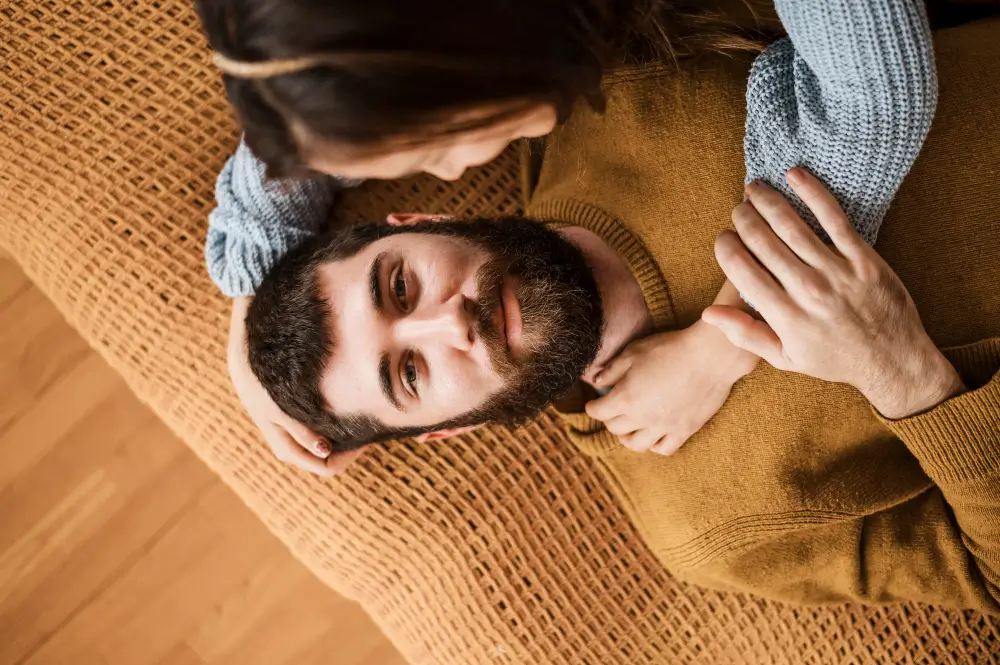
Emotional Bonding in Men Through Trust and Experience
Emotional bonding in men is built through trust and shared experience rather than isolated emotional moments. While interest may start a connection, emotional closeness strengthens when interaction is supported by reliability, emotional safety, and situations lived together.
Trust forms when emotional openness is met with consistency and respect. Predictable behavior, clear intentions, and emotional stability reduce internal tension and allow emotional involvement without fear of judgment or loss of control. When trust is present, emotional connection feels secure rather than uncertain.
Shared experience deepens this bond. Meaningful conversations, challenges, and emotionally significant moments create shared reference points that anchor feelings in real context. These experiences transform emotional connection from abstract feeling into something tangible and remembered.
This explains why emotional attachment often deepens through time and lived situations, not emotional intensity alone. Within Russian speaking women dating culture, trust and relational reliability are especially important, making shared experience a central factor in emotional bonding.
Together, trust and experience create a stable framework for emotional closeness. Emotional bonding becomes stronger when feelings are supported by consistency, shared meaning, and proven reliability. Did this article strengthen your clarity about compatibility? Stay connected with the relationship growth blog to receive ongoing analysis of emotional stability and long-term vision. Fresh content refines your perspective step by step. A refined perspective improves decisions. When the time comes to act, start on the international commitment platform and begin serious conversations.
What role does vasopressin play in the transition from short-term attraction to long-term emotional attachment in men?
Vasopressin serves as a key neuropeptide responsible for the formation of monogamous behavior and long-term bonds within the male organism. From an analytical perspective, while dopamine accounts for the primary impulse and the "hunting" phase, vasopressin activates mechanisms of territorial behavior and partner protection. This hormone is closely linked to a sense of responsibility and constructive activity within the relationship. When a man begins to invest resources into a woman's well-being, vasopressin levels rise, consolidating neural pathways in the brain that associate a specific partner with safety and success. Biological fixation occurs when protective functions and care provide the man with greater satisfaction than the search for new stimuli, effectively marking the transition from infatuation to deep attachment.
In 2026, neurobiological research emphasizes that the sensitivity of receptors to vasopressin dictates an individual's inclination toward fidelity. However, even with average sensitivity, behavioral triggers can stimulate the production of this hormone. Overcoming difficulties together and maintaining physical intimacy without the context of casual encounters create conditions for a stable vasopressin response. This fosters an internal conviction in the exclusivity of the bond, making the prospect of a breakup physically and psychologically painful. Consequently, vasopressin transforms the biological instinct of procreation into a conscious strategy of partnership, where the woman is perceived as the central element of the man's life space, requiring constant attention and protection.
How does the “hero instinct” influence the depth of male feelings and what actions activate it in daily interaction?
The "hero instinct" represents a fundamental psychological need for a man to feel significant and indispensable in his partner's life. From the perspective of cognitive psychology, a man falls in love not only with a woman's personality but also with the state he experiences alongside her—a sense of strength, relevance, and competence. When a woman provides a man with the opportunity to show care or solve problems, it activates the reward system in his brain. The absence of such a trigger often leads to emotional cooling, as the man fails to see his "functional role" within the union. A rational activation of this instinct lies in recognizing the man's unique contribution to mutual well-being, which transforms him into a devoted partner striving for constant confirmation of his "hero" status.
To systematically reinforce this mechanism in daily life, specific communication patterns aimed at validating male efforts are utilized. The primary methods for activating the hero instinct include the following actions:
- Requesting expert opinions: Seeking advice on matters where the man possesses real knowledge or experience;
- Verbal gratitude: Clearly identifying the value of specific actions performed for the couple's comfort;
- Entrusting responsible tasks: Delegating important decisions, demonstrating faith in his leadership qualities;
- Creating space for protection: Allowing the man to handle external problems, reinforcing his role as a pillar of support;
- Public recognition: Highlighting the partner's virtues in social circles, which elevates his status in his own eyes. Such actions create a stable positive feedback loop where the man feels most fulfilled specifically in a partnership with this woman, serving as a powerful anchor for emotional attachment.
Why is emotional vulnerability considered the peak of attachment formation in men and how does it manifest?
Emotional vulnerability in a male context is an act of ultimate trust, involving the rejection of social masks and defense mechanisms. From an analytical standpoint, the socialization of most men involves the suppression of fears and weaknesses to maintain an image of reliability. The moment a man decides to share his genuine anxieties, doubts, or past traumas with a woman signifies the completion of the deep attachment process. It indicates that the brain has identified the partner as a "secure base" where constant self-monitoring is unnecessary. Such self-disclosure makes the bond unique and practically indestructible, as the man becomes psychologically dependent on the acceptance of his "shadow" sides by this specific woman.
The manifestation of vulnerability is often not a verbal confession of love but rather a readiness to discuss professional failures or childhood experiences. If the partner's reaction is characterized by empathy and an absence of criticism, a massive release of oxytocin occurs, cementing the relationship. A man who has experienced full acceptance in a state of weakness forms profound loyalty, as the value of a space where he can be authentic is critically high in 2026. Conversely, any attempt to use this openness against him during a conflict instantly destroys the attachment and causes the man to distance himself. Therefore, a careful attitude toward male vulnerability acts as a catalyst for the transition from romantic passion to unconditional partnership.
What impact do intellectual compatibility and shared value systems have on male attachment?
Intellectual compatibility serves as a long-term relationship stabilizer, preventing an emotional slump after the active infatuation phase concludes. For a man oriented toward a long-term partnership, the presence of an interesting interlocutor and an ally in a woman is a critically important attachment trigger. The ability to exchange complex ideas, discuss professional strategies, or explore worldview concepts creates a high level of cognitive resonance. From a neurobiological standpoint, intellectual admiration for a partner stimulates the cerebral cortex, forming respect, which is a more stable feeling than physical attraction alone. When a man sees a woman as an equal intellectual partner, the value of the union increases due to the synergy of two personalities.
The presence of shared value orientations ensures relational comfort and reduces the amount of cognitive dissonance in daily life. If life priorities, such as attitudes toward finances, child-rearing, or personal growth, align, the man experiences a state of "flow" within the relationship. This minimizes stress levels and makes cohabitation predictable and safe. Attachment in this context is based on the realization that the partner is a reliable link in achieving common goals. Thus, intellectual proximity transforms a romantic connection into a full-fledged alliance where the man feels mental support and inspiration, making his emotional fixation on the woman both extremely solid and conscious.
How does overcoming crises and stressful situations together transform infatuation into a deep sense of duty and devotion?
From an analytical perspective, traversing crises together is a process of tempering relational capital. The psychology of "comradeship," transferred to the sphere of personal relationships, explains why hardships bring a man closer to his partner more effectively than periods of carefree happiness. In stressful conditions, the functionality of the union is tested; if the woman demonstrates resilience, loyalty, and readiness for joint action, the man forms a profound sense of respect. This feeling transforms into devotion based not on emotions, but on empirical evidence of the partner's reliability. After the successful resolution of an external crisis, the man begins to perceive the woman as an integral part of his survival and success system.
Every overcome problem leaves a trace in the form of a "history of victories," which becomes the couple's mythology. A man who has invested significant emotional and material resources into protecting and preserving the union during difficult times subconsciously raises the value of this asset. The high price paid for relationship stability makes its preservation a top priority. Infatuation at this stage is replaced by mature love, which includes a component of duty and conscious choice. In 2026, as the external environment becomes increasingly turbulent, a couple's ability to act as a united front against circumstances is the most powerful trigger for male attachment, turning the woman into the only person the man can trust unconditionally.

Maria is a writer who specializes in couples counseling and encourages people to become more intimate with one another. If you come across informative articles with personal viewpoints or research-based pieces that highlight the stages of creating healthy relationships, these pieces are probably written by Maria. The author emphasizes the importance of self-growth before seeking a romantic partner.