



Dating in Korea is shaped by a combination of modern lifestyle and deeply rooted social expectations. Relationships are not viewed as purely individual choices but are often connected to broader cultural norms, life stages, and long-term intentions. Understanding this context helps explain why dating in Korea may feel more structured and intentional compared to Western models.
Dating in Korean Culture Explained
Dating in Korean culture reflects a structured and socially influenced approach to relationships. Unlike more casual dating environments, romantic interaction in Korea is closely connected to life stage, social expectations, and long-term planning. Relationships are often viewed as part of a broader personal and social trajectory rather than a temporary or exploratory experience.
Social context plays a defining role in how dating develops. Expectations related to stability, career progress, and readiness for commitment influence when individuals begin relationships and how they approach them. As a result, dating is often guided by a sense of purpose rather than spontaneity.
Even when people meet through modern platforms, such as a secure dating site, interaction continues to follow cultural patterns that prioritize clarity of intention and mutual understanding. These patterns shape communication, pacing, and expectations from the early stages of connection.
Several key characteristics define this approach:
- dating is often aligned with specific life stages and long-term goals
- social expectations influence both timing and behavior in relationships
- communication tends to be more intentional and structured
- relationships are frequently approached with commitment in mind
- progression follows a gradual and predictable path
Timing also plays an important role. Certain periods in life are considered more appropriate for forming serious relationships, especially when long-term planning becomes relevant. This creates a more goal-oriented dynamic compared to open-ended interaction.
As a result, dating in Korea typically develops through clear stages, where emotional investment and commitment increase in a structured and socially influenced way.
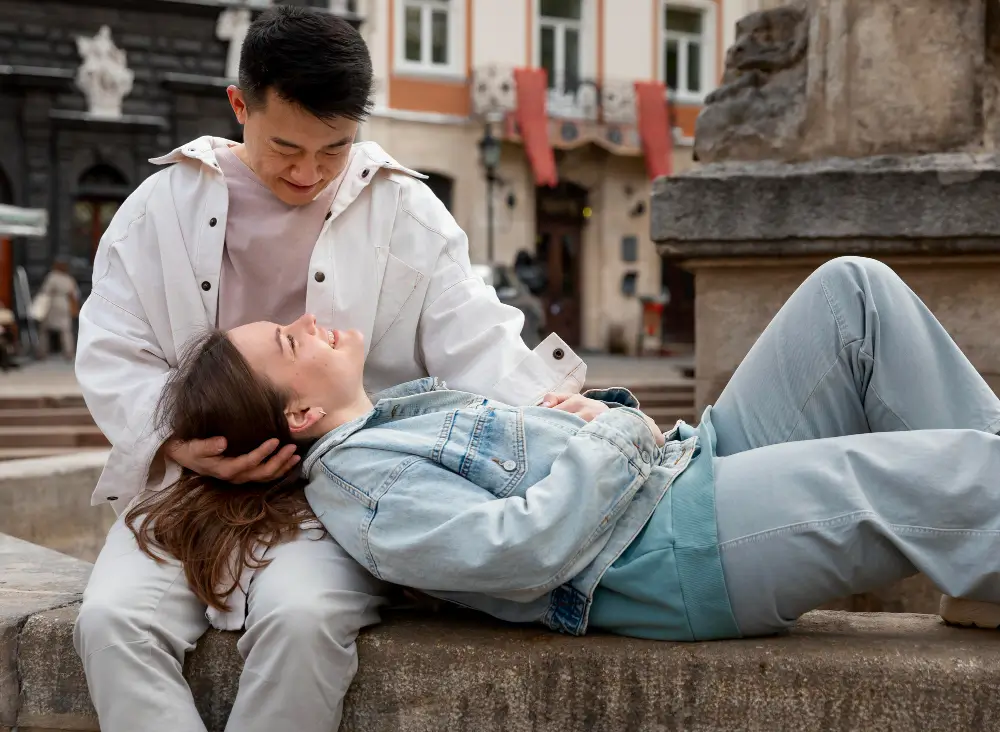
Korean Dating Explained Through Social Norms
Korean dating explained through social norms highlights the strong influence of collective thinking on relationships. Behavior is shaped not only by personal preference but also by expectations from family, peers, and broader society. This creates a structured environment where interaction follows established patterns rather than purely individual choices.
Respect and moderation play a central role in this system. Individuals often avoid overly expressive behavior in early stages, choosing a more balanced and controlled approach instead. This communication style may appear reserved, yet it helps maintain harmony and reduces the risk of discomfort or misunderstanding.
Public perception also has a significant impact. The way a relationship is viewed by others can influence how it develops. Social approval tends to reinforce stability and confidence, while disapproval may create pressure to adjust behavior or reconsider the connection.
Pacing is another important factor. Relationships typically develop gradually, allowing both individuals to align expectations and build trust over time. Sudden intensity may be perceived as inappropriate or unstable, which is why steady progression is preferred.
These social norms create a clear framework that guides interaction. As a result, dating becomes more predictable and structured, with a strong emphasis on balance, respect, and alignment with social expectations.

Korean Relationship Traditions and Expectations
Korean relationship traditions play a central role in shaping how individuals approach dating and long-term connection. These traditions influence expectations around behavior, emotional involvement, and the overall purpose of a relationship. Rather than being purely spontaneous, relationships are often guided by socially accepted patterns that emphasize stability and intention.
Roles and responsibility in relationships
Clear roles are often present within Korean dating culture, although they continue to evolve with modern influences. Responsibility, attentiveness, and reliability are considered essential qualities. These traits help create a sense of structure and predictability, which supports relationship stability.
Expectations may vary depending on personal values and social background, yet the importance of commitment remains consistent. Individuals are often expected to show care through actions, consistency, and involvement rather than through verbal expression alone.
Seriousness of intention from early stages
Another important aspect involves the seriousness of intention. Even in early stages, relationships are frequently approached as potentially long-term. This perspective influences how people communicate and how quickly they become emotionally invested.
Because of this, dating is rarely treated as purely casual. There is often an underlying assumption that a relationship may develop into something more stable. This creates a more focused and intentional dynamic from the beginning.
Symbolic gestures and emotional expression
Gift-giving and symbolic gestures are an important part of Korean relationship traditions. These actions are not primarily about material value but about demonstrating attention and care. Small, thoughtful gestures help reinforce emotional connection and show consistency in effort. Such expressions often replace direct verbal communication. Instead of explicitly stating feelings, individuals may rely on actions to communicate interest and commitment.
Structured approach to relationships
Overall, Korean relationship traditions create a structured understanding of dating. Behavior, communication, and expectations are influenced by a shared framework that values responsibility and long-term perspective. This approach supports clarity and stability, allowing relationships to develop in a gradual and predictable way.
Dating Culture Korea and Сommunication Style
The dating culture Korea is closely connected to indirect communication and nonverbal signals. Rather than expressing feelings directly, individuals often rely on subtle cues to convey interest and intention. This approach helps maintain harmony and reduces the risk of conflict. Direct confrontation is typically avoided, especially in the early stages of a relationship. Instead, meaning is often communicated through tone, timing, and behavior.
For example, changes in communication frequency or attentiveness may signal shifts in interest. Understanding these patterns requires attention to context rather than relying solely on explicit statements. Even in international interactions, such as those that begin through a Ukrainian women dating service, differences in communication style may become noticeable and require adjustment.
This indirect style can create ambiguity, yet it also allows relationships to develop gradually and with less pressure. It reflects a broader cultural preference for balance and emotional control.
Korean Dating Habits in Everyday Life
Korean dating habits are closely connected to structured daily routines and time management. Work schedules, social responsibilities, and personal commitments significantly influence how relationships are maintained. As a result, dating often becomes an organized part of everyday life rather than a spontaneous activity.
Regularity plays a central role in sustaining connection. Consistent communication and planned meetings help maintain emotional continuity despite busy schedules. This structured approach allows relationships to develop steadily without relying on unpredictable interaction.
Several key habits define everyday dating behavior:
- Prioritizing scheduled time together. Meetings are often planned in advance to fit into structured routines, making time spent together more intentional.
- Maintaining consistent communication. Regular messages or check-ins help preserve connection and signal ongoing interest.
- Expressing care through small gestures.Thoughtful actions, such as remembering preferences or planning activities, demonstrate attention and commitment.
- Choosing familiar and comfortable settings.Common activities include dining, visiting cafes, or taking walks, which support relaxed and natural interaction.
- Balancing personal and social obligations. Individuals often manage dating alongside work and social expectations, requiring careful coordination.
Attention to detail is especially important in this context. Small, consistent efforts often carry more meaning than verbal expression, as they reflect reliability and involvement. Spontaneity is less emphasized compared to more flexible dating cultures. Instead, stability and predictability shape how relationships develop over time. Overall, Korean dating habits highlight a structured and attentive approach, where consistency and thoughtful behavior reinforce connection and support long-term development.
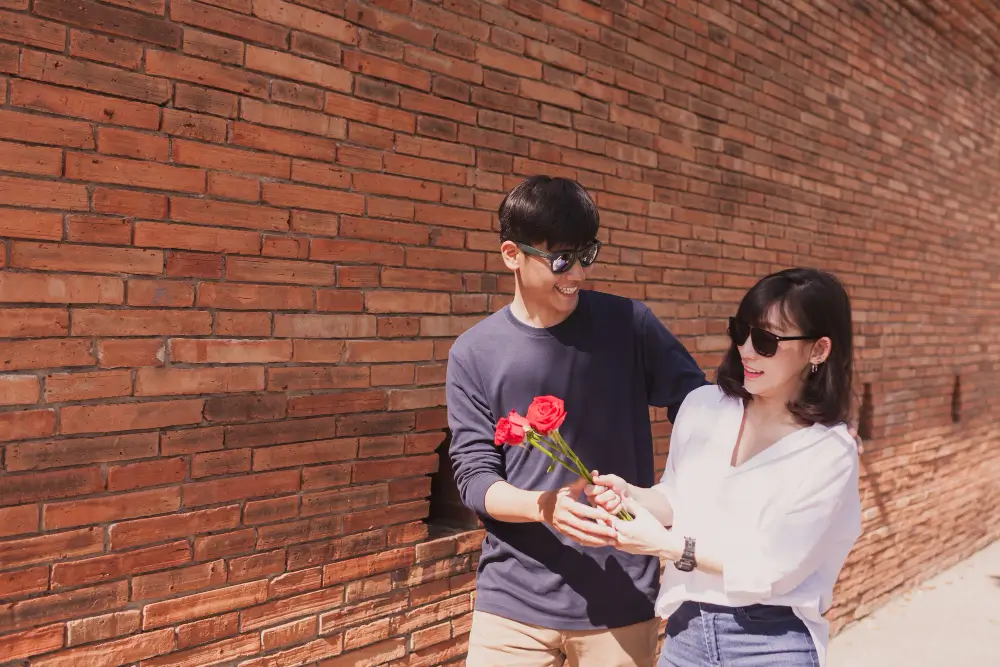
Korean Relationship Psychology and Emotional Restraint
Korean relationship psychology places strong emphasis on emotional restraint and control as a foundation for stable connection. Expressing emotions gradually is often viewed as a sign of maturity, respect, and self-awareness. Instead of immediate openness, individuals tend to regulate emotional expression to maintain balance and avoid unnecessary pressure in interaction.
This approach allows trust to develop over time. Rather than relying on early emotional intensity, individuals often observe behavior, consistency, and reliability before becoming deeply involved. This process reduces uncertainty and helps create a more secure and predictable connection.
Several psychological patterns shape this dynamic:
- gradual emotional expression supports controlled and steady relationship development
- observation of behavior helps evaluate trustworthiness before deeper involvement
- consistency in actions reinforces reliability more effectively than verbal reassurance
- emotional restraint reduces the risk of misunderstanding and conflict
- balanced interaction creates a sense of comfort and stability
Emotional restraint also helps maintain clarity in communication. By avoiding excessive or impulsive expression, individuals are able to keep interaction manageable and focused. This supports a more thoughtful and measured approach to relationship building.
Trust becomes the central element in this process. It is built through repeated positive experiences rather than through declarations alone. Over time, consistent behavior creates a strong foundation that supports emotional connection.
As a result, emotional depth develops more gradually but often becomes more stable once established, allowing the relationship to grow in a balanced and sustainable way.
Dating Customs Korea in Long-term Perspective
Dating customs Korea become increasingly structured as relationships develop over time. Early interaction may focus on building connection, yet long-term dynamics are shaped by expectations related to commitment, stability, and future planning. Relationships are often viewed as part of a broader life path, which means that progression is not случайным but follows a more intentional and predictable pattern. This structured approach encourages individuals to consider compatibility and long-term potential from relatively early stages.
The transition from dating to a serious relationship typically involves greater responsibility and clearer intentions. Conversations gradually shift toward shared values, future goals, and lifestyle compatibility. Emotional investment becomes more consistent, and behavior reflects a stronger commitment to maintaining the connection. At this stage, actions often carry more weight than words, as reliability and follow-through become key indicators of long-term potential.
Family influence may also become more significant as the relationship progresses. Approval and acceptance can affect the stability of the connection, especially when long-term commitment is considered. Alongside this, consistency and mutual effort remain essential. Relationships that maintain balance, clear communication, and predictable interaction are more likely to develop into stable partnerships. Overall, Korean dating customs reflect a gradual movement from initial interest to long-term commitment, emphasizing alignment of values and shared responsibility.
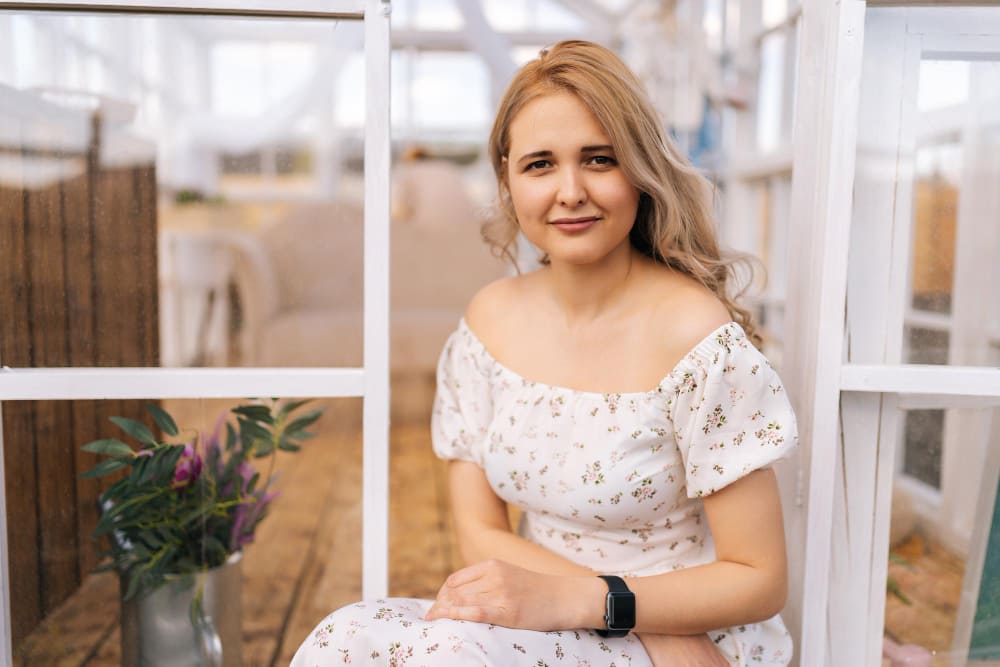
Maria is a writer who specializes in couples counseling and encourages people to become more intimate with one another. If you come across informative articles with personal viewpoints or research-based pieces that highlight the stages of creating healthy relationships, these pieces are probably written by Maria. The author emphasizes the importance of self-growth before seeking a romantic partner.