


There is a fine line between falling head over heels in love with somebody and making your relationship serious. Unless you have been dating someone since your high school years, you may experience many challenges in meeting someone special, building a smooth bond, and forming that elusive connection.
You know that effort doesn’t always lead to connection. According to the Pew Research Center, 47% say dating is harder now than it was a decade ago. This percentage points to a deeper issue. Dating is not difficult because people want less connection. It is challenging because dating today often leads to confusion, emotional fatigue, and uncertainty about intentions.
Scroll down to find the answer to the question, “Why is dating so hard?”, discover the main reasons behind these challenges, and learn insights from the Victoriyaclub user’ survey to help make the dating experience clearer and easier to navigate.
Why is Dating So Hard Now? 5 Reasons Singles Outline
Even though you might think that the trip to your beloved might seem easier than you think, the road toward winning the heart of your soulmate and creating healthy relationships might be bumpy. What are the reasons for that? We interviewed Victoriyaclub users and analyzed insights singles share across multiple platforms to compile the common challenges of dating in one place.
Paradox of choice
With the advent of online dating and the convenience of chatting with potential matches from the comfort of their home, modern singles have a vast choice of partners. While it is great to have dozens of people to choose from, it can be rather overwhelming and confusing for many.
This is where singles face a paradox of choice. When it seems like there is always someone else a swipe away, people hesitate to take their love affairs to the next level. Dating turns into constant comparison rather than a real connection.
Safety concerns
There are many myths and misconceptions about online dating. People are afraid of online scammers, fraudsters, and fake accounts. Indeed, there is a certain risk when you get involved in the virtual world to seek romance. But if you choose a reliable platform to organize your dating experience, things become more transparent.
Read also: Modern Love Crossword | Easy Crossword Puzzles for Adults.
Trustworthy dating platforms with a high level of credibility, like Victoriyaclub ensure a safe experience for their members. Aside from providing built-in encrypted chat features, there is also a verification process that filters out fake accounts. This allows for a personalized experience without scams.
Experiencing pressure to present a perfect version of yourself
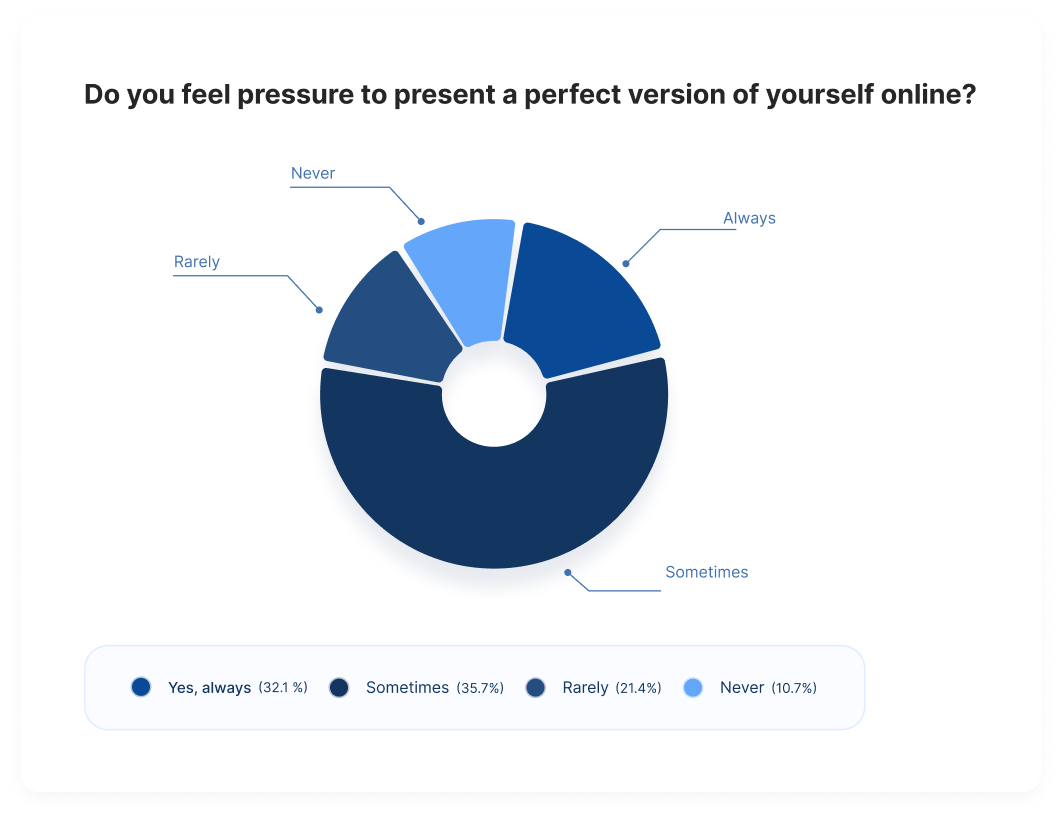
When dating online, people typically tend to showcase themselves in the best light. Actually, the majority of singles do it, and 32.1% experience the pressure to put on a perfect image. Sometimes it leads to wrong actions — they wear masks and pretend to be someone else, which comes across as artificial and off-putting.
Nevertheless, dating today isn’t about being perfect. It is mostly about being real and reliable. That is why it is better to show who you really are to overcome this dating difficulty.
Confusion with social media
Those who choose social media websites as a spot for finding their soulmate often end up with disappointment in the long run. The point is that social media makes it seem like we have insight into other people’s relationships, something we have never had before. The perfect pictures of magic love singles see online make them think that social media sites are a perfect place to find someone special.
But reality is different. Instagram and Facebook don’t have dedicated features like search filters or tools to verify intentions, which makes it difficult to understand who is really looking for a relationship. Moreover, the pool of users with different intentions is so diverse, which makes it hard to find your love interest.
Read also: Online Dating Scam: How Victoriyaclub Protects Users.
Lack of traits singles look for in their partners
One of the biggest reasons dating feels so difficult today is the lack of traits many singles anticipate seeing in their significant others. Based on a Victoriyaclub survey, 81.5% of respondents said honesty is the hardest quality to find in a potential partner. This result stands out far above all other traits, including sense of humor, physical attraction, and ambition.
When people are unsure whether the other person is sincere about their intentions, it leads to hesitation. This is where many feel disappointed, even before starting the next chat with their prospective partners. It results in emotional tension and distracts singles from their initial goal — finding a competitive match.
Fear of experiencing ghosting
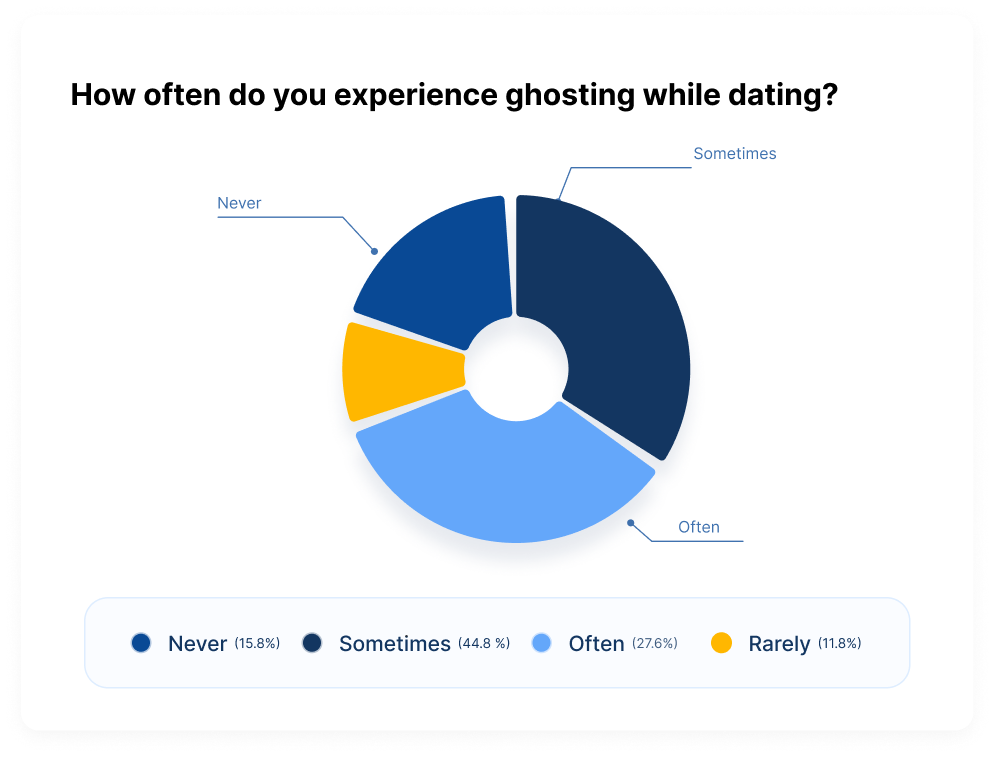
After interviewing Victoriyaclub members, we found that 44.8% sometimes experience ghosting while dating, and 27.6% experience it more often. Considering these numbers, many become cautious, expect conversations to end suddenly, and hesitate to invest emotionally. Over time, this fear changes how people communicate, making dating feel uncertain and emotionally risky.
Concerns about meeting their partner for the first time
When you communicate with your soulmate on a dating site for a long time, you probably see that you’ve already hit it off and have a lot of things in common. You might experience those bases in dating and are even ready to move forward. Nevertheless, some partners may walk out on this stage because of concerns about meeting their significant others for the first time.
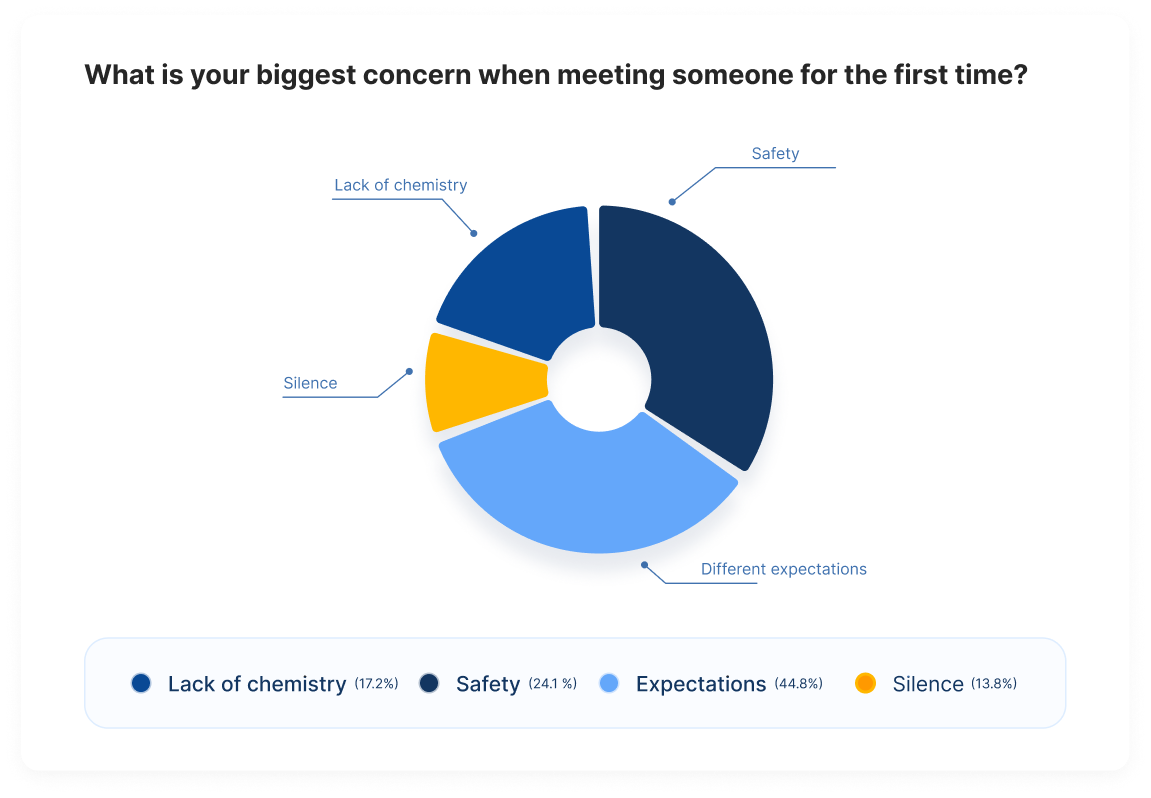
The Victoriyaclub insights show that 44.8% of singles worry about different expectations, 24.1% about safety, 17.2% about lack of chemistry, and 13.8% about awkward silences. These doubts explain why dating is hard at this stage. Fear can outweigh connection and cause people to step back just before things become serious.
Doubts about staying in a relationship long-term
Maintaining a long-term love affair often appears harder than starting one, and the Victoriyaclub findings help explain why. The challenges people face tend to accumulate over time and affect how safe, connected, and aligned partners feel with one another. Members of our site mention these challenges when building a lasting connection.
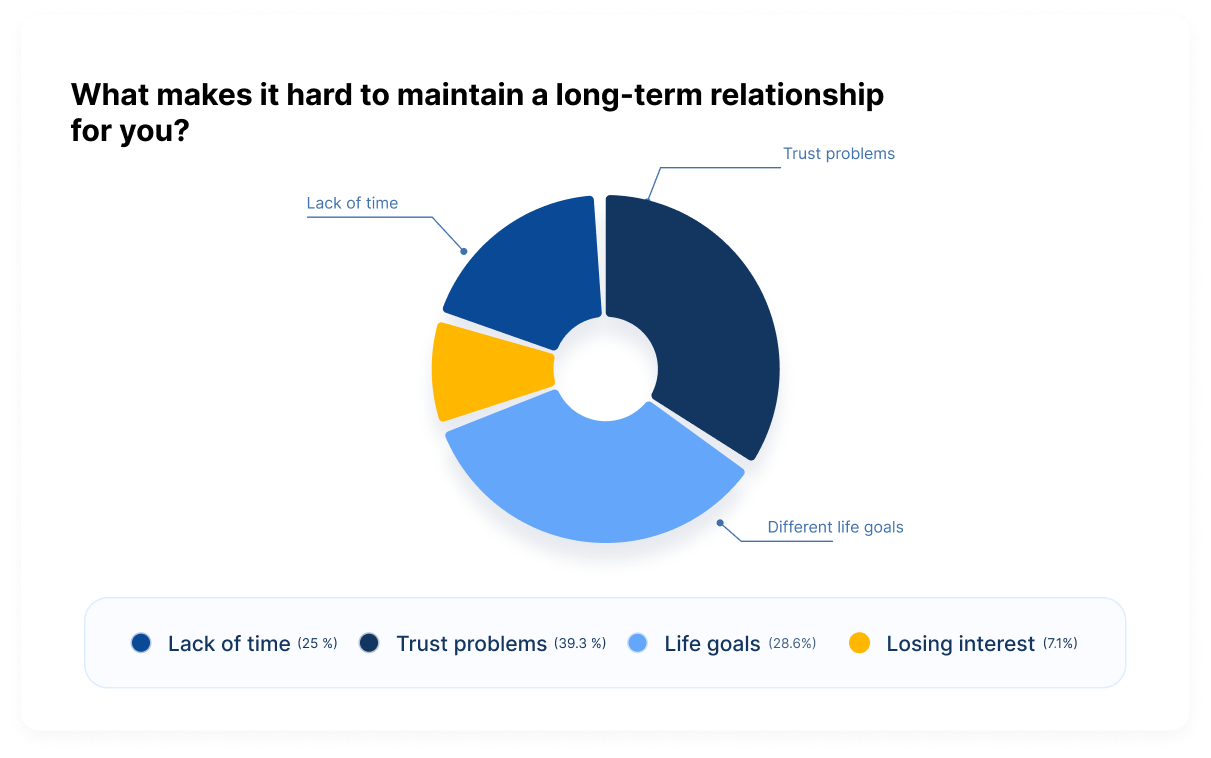
- Trust problems (39.3%). When trust weakens, even small issues feel bigger than they are. People become cautious, question intentions, and build bridges, which makes it almost impossible to get closer and become a couple.
- Different life goals (28.6%). While you may hit it off initially, different goals may become an obstacle to mutual understanding. Different lifestyles, life priorities, and views on relationships can lead to misunderstandings. It especially applies to cross-cultural couples.
- Lack of time (25%). Nowadays, so many people lead hectic lives and have no time to develop their bonds. It leaves little room for emotional connection, which sometimes even fades the strongest feelings.
There are also other challenges that make people fear long-lasting bonds. Some of them include a lack of physical connection and the possibility of cheating. Even though there isn’t any cookie-cutter solution to overcome this difficulty, partners can still focus on building trust and devoting time to getting to know each other better to make their dating smoother sailing.
Struggles to cope with dating setbacks
Why is dating so hard now? Another answer to this question is the troubles in recovering from dating setbacks. When dating does not go as planned, people respond in different ways. The Victoriyaclub survey highlights several common coping patterns:
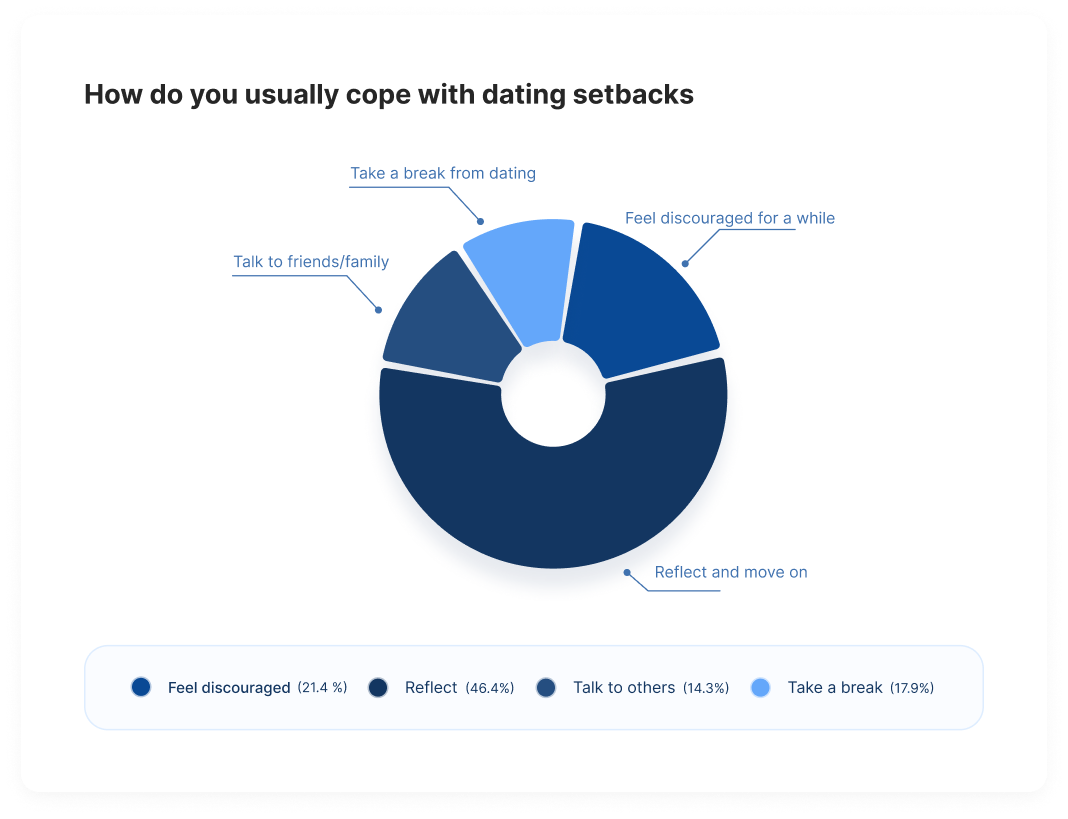
- Reflect and move on (46.4%). Nearly half of the respondents prefer to process the experience quietly and continue dating, viewing setbacks as part of the process.
- Feel discouraged for a while (21.4%). Many admit that disappointment affects their motivation, often leading to withdrawal. In this case, many of these people often give up.
- Take a break from dating (17.9%). Some choose to step back temporarily to protect their emotional well-being and reset expectations, though many of them come back shortly.
- Talk to friends or family (14.3%). Others rely on close support to regain confidence. It is a good way to express your emotions and share your worries. Many people seek advice from their closest friends, which is a good way to start fresh.
Hesitation about the future
Those who meet online and switch to offline dating often hesitate about whether they made the right choice, especially if a romance is international. Singles often struggle with whether the destination of their love search is the best fit and whether there will be a cultural gap in the future.
No wonder, cross-cultural connections imply that both partners should compromise and get used to each other’s culture, values, and relationship patterns. It requires time and patience, so it is necessary to decide whether it works for you.
What to Do When Dating Feels So Hard
Dating can feel heavy at times, especially if your partner is on the other side of the screen. Still, it does not have to drain you completely — you should make the most of it and accomplish your goals. A few small tips can make the process easier to handle.
- Try to enjoy each moment as you go along the way. Not every date needs to lead somewhere serious. Sometimes it is just a conversation. Sometimes it is just a venture. When you stop having too many expectations for every chat session, dating feels smoother.
- Check in with yourself first. Dating works better when you are not doing it out of loneliness or panic. If you are still hurting from a breakup or feeling desperate for connection, it is better to pause. If you want to start from a blank canvas, you will need to get ready for that.
- Do not rush your partner just to feel safe. The early stages of your relationships are often uncertain, and it is absolutely normal. Try not to press your partner to tie the knot just to feel safe that you aren’t alone anymore. It is necessary to build trust rather than build your love affairs on assumptions.
Dating is hard, but small, confident choices can make it feel less confusing and more natural. Just move step by step and devote time to getting to know your partner better before taking your relationship to the next level.

Final Take
Why is dating so hard? Thousands of singles ask themselves this question, often after another confusing or disappointing experience. The truth is, there is no single answer that fits everyone. Many factors affect the flow of your relationship nowadays, from the place you organize your romantic ventures to the types of personalities you both have.
What makes dating feel especially difficult is that people try to connect it to past setbacks or hesitations, driven by assumptions. That is why it is necessary to understand the possible challenges of modern dating and address them in advance to make the right choices and make the overall experience more hassle-free.
Are you ready to meet your special one? Then do not waste time, and join a reliable dating site today. Was this article helpful and practical in real terms? Stay connected through the relationship psychology blog to receive fresh posts on commitment, compatibility, and long-term partnership. New materials are published regularly and help sharpen your standards. Consistent reading strengthens judgment and confidence. When you feel ready to move from insight to action, begin on the serious international matchmaking platform and start meeting women focused on marriage.
Why does the concept of unlimited choice in dating applications negatively impact the ability to form stable connections?
The phenomenon of the "paradox of choice," when applied to the realm of romantic relationships, creates a cognitive trap known as maximization. In an environment where algorithms offer an endless stream of new profiles, the brain begins to perceive each potential partner not as a unique individual, but as a commodity with a set of characteristics subject to comparison. This leads to a decrease in the perceived value of current interactions, as the subconscious is constantly occupied with searching for a "more optimal" variant. Research in behavioral psychology confirms that an excess of options causes decision paralysis and leaves the individual in a state of chronic dissatisfaction even after a choice has been made.
From an analytical perspective, this accessibility destroys the difficulty-overcoming mechanism necessary to strengthen attachment. Instead of investing resources in resolving conflicts or adjusting to personalities, individuals tend toward rapid partner rotation at the slightest discomfort. Such a market model of dating undermines the long-term stability of unions, replacing the depth of connections with their quantity. Consequently, the process of getting to know someone turns into an endless cycle of primary scanning, devoid of the stage of deep emotional integration. This state of affairs makes modern dating an exhausting process, requiring colossal cognitive effort to maintain focus on a single individual.
How does the dehumanization of digital communication affect the ethical standards of behavior among dating market participants?
The digital environment creates a disinhibition effect and a psychological distance that contributes to the erosion of traditional ethical norms. When communication occurs through an application interface, the interlocutor is often perceived as an abstract digital object rather than a living human with feelings and expectations. This legitimizes destructive patterns such as "ghosting" (suddenly cutting off contact without explanation) or "breadcrumbings" (maintaining interest without the intention of getting closer). The absence of shared social circles in the context of online dating deprives participants of a sense of social responsibility, as the risk of reputational loss is practically non-existent.
This anonymity and impunity lead to an increase in consumerist attitudes, where one participant uses another for short-term validation of their own attractiveness or to fill leisure time. Psychological defense in the form of cynicism becomes the norm, which further complicates the possibility of sincere opening and vulnerability. Analysis shows that without physical presence and the context of a shared reality, empathy decreases, turning dating into an arena of egocentric manipulations. This creates an atmosphere of distrust and suspicion in which every new contact is viewed through the prism of potential deception, significantly complicating the process of natural rapprochement.
In what way do modern gender transformations and the blurring of roles create uncertainty in dating scenarios?
The process of revising traditional gender roles that has occurred in recent decades has led to a situation where old courtship scenarios are recognized as outdated, while new ones have not yet taken a clear shape. This creates a high degree of cognitive load and uncertainty at every stage of the acquaintance—from initiating contact to paying the bill. The absence of a single cultural code leads to the fact that the same action can be interpreted by one partner as a sign of respect and by the other as an insult or an attempt at dominance. Social navigation in such conditions requires constant clarification of meanings, which deprives dating of lightness and spontaneity.
In conditions of this uncertainty, the following difficulties in interpersonal interaction often arise:
- Crisis of Initiative: A lack of understanding regarding who should make the first move and determine the dynamics of getting closer without the risk of violating boundaries;
- Conflict of Expectations: A mismatch in perceptions regarding the division of financial and domestic responsibilities in the early stages of the relationship;
- Fear of Social Stigmatization: The fear of appearing too persistent or, conversely, insufficiently interested within the framework of modern ethical discussions;
- The Problem of Verbalizing Intentions: Difficulties with openly discussing the status of the relationship due to the lack of generally accepted terms;
- Pressure of Professional Ambitions: A conflict between the desire for career growth and the need to allocate time for emotional investments.
Why does the high bar of expectations for a partner, formed by the “optimization culture,” become an obstacle to love?
Modern society broadcasts the ideal of the "all-encompassing partner" who must simultaneously satisfy intellectual, sexual, emotional, and material needs at the highest level. Within this perfectionist approach, a partner is viewed as a tool for self-actualization and an addition to the individual's personal brand. From an analytical perspective, this places an unbearable burden of expectations on the relationship that no real person is capable of justifying in the long term. Instead of looking for a partner for mutual growth, individuals look for a "finished product" that meets a rigid checklist.
Such an approach ignores the fact that compatibility is a dynamic process, not a static characteristic. The constant evaluation of another person for their "profitability" and compliance with high standards prevents the formation of the unconditional acceptance necessary for deep love. When a partner is perceived as a resource, relationships become fragile: at the first signs of human imperfection or a temporary crisis, the desire to "replace" them with a more perfect model arises. This culture of consumption, transferred to the sphere of emotions, makes dating extremely difficult, as the orientation toward results suppresses the value of the process of knowing another person.
How do accumulated traumatic experiences and the fear of vulnerability influence behavior in new relationships?
Every unsuccessful interaction within the modern dating market leaves a trace in the form of defense mechanisms that the individual carries into subsequent relationships. Accumulated dating fatigue and the fear of repeated rejection force people to build high emotional barriers. This manifests in demonstrative detachment, attempts to control the dynamics of communication, and the avoidance of deep topics. From a psychological point of view, this is a form of self-sabotage: by striving to protect themselves from pain, the individual blocks the very possibility of intimacy, which requires a readiness for vulnerability.
As a result, many enter into new acquaintances with the mindset of "prove to me that you are not like the others," which creates a biased and tense atmosphere from the very beginning. Suspiciousness and the search for hidden motives turn a date into an interrogation rather than a dialogue. Analysis shows that the inability to leave past negative experiences outside the current contact is one of the main reasons for the failure of potentially successful unions. Thus, dating becomes difficult not because of a lack of suitable candidates, but because of the psychological unreadiness of the participants for new trust. Overcoming this barrier is only possible through conscious work on one's own emotional resilience and a refusal to project the past onto the present.
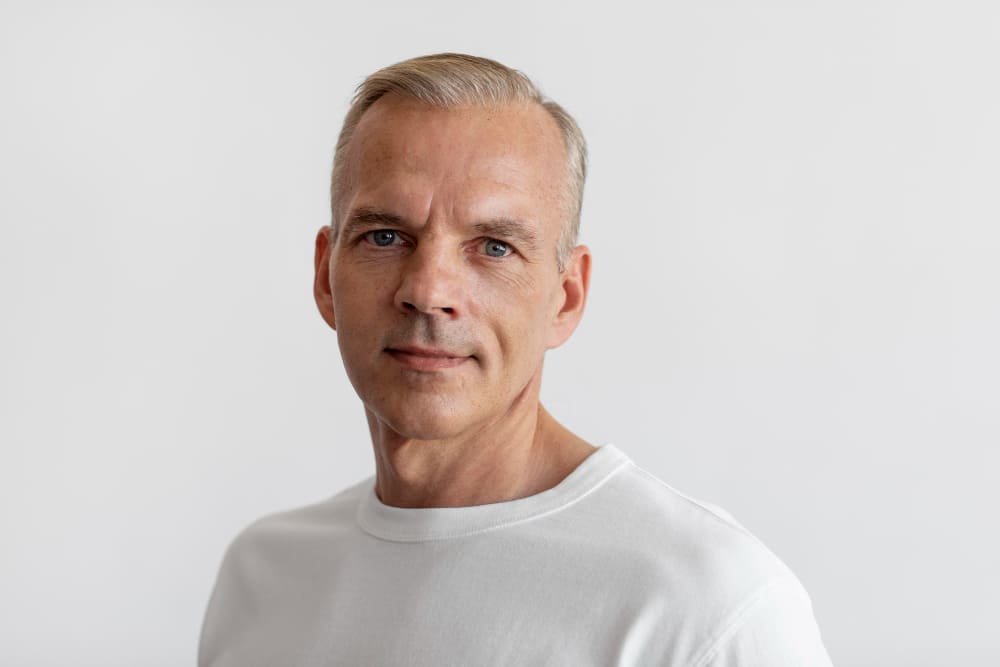
Robert Smith is a professional writer and relationship expert who has devoted his life path to giving advice to those seeking love outside their countries. Robert was able to combine his two passions—his love of writing and his talent for international love affairs. The author has developed his dating strategies based on his investigations into the international dating niche and his own experience.